Crow pose (Bakasana) is one of those poses which everyone seems to want to do. So it can often be a source for frustration when they can’t!
I’ve put together some options and tips for anyone trying to take flight in Bakasana which will hopefully help!
This pose strengthens the arms, wrists, shoulders and abdominal muscles. It can also build confidence and gives good preparation for more challenging arm balances.
Some of the poses in this article may not be suitable if you have injuries or pre-existing conditions. If in any doubt please consult your healthcare provider.
As with any form of exercise, it’s important to warm up first – usually I do Sun Salutations to start. Poses where you engage with the abdominal muscles and work the arms and shoulders are helpful. Downward Facing Dog and Garland pose are useful build ups to Crow. After practicing it’s also a good idea to do some releasing stretches for the wrists.
Top tips for Crow pose
It’s important to build a stable structure with solid foundations.
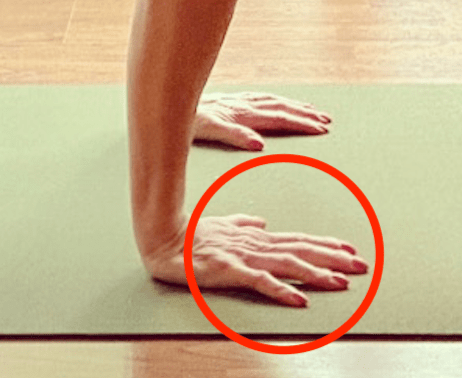
The hands are now supporting the rest of the body and so spreading the fingers wide and clawing with the fingers provides a stable foundation which can adapt to suit weight distribution.
The elbows should be in line with the shoulders if possible – this creates more stability. If the elbows are allowed to wing outwards, they lose strength and this may lead to the pose collapsing.
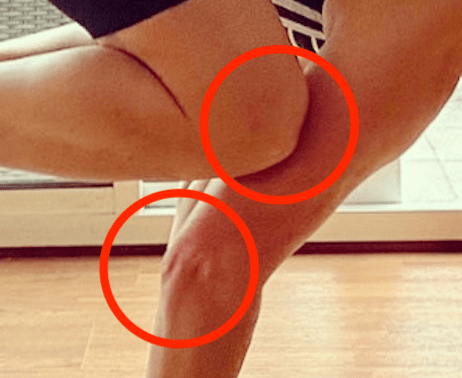
The knees draw inwards and upwards. They can be placed in different positions on the arms but the end result is the same. The knees press into the arms and the arms resist the knees. This creates stability through upward force, which enables the heavier parts of the body to be held above the ground.
We often forget the feet in the pose as we can’t see them. By squeezing the big toes together, you will create a triangular frame which is comprised of the toes, knees and upper arms. This is a strong structure and will help the rest of the body remain supported.

The final part of the structure is the pivot and weight distribution. In the image below, I’m doing Crow pose with my knees high up on my arms which are almost straight. If you look at the position of my head and my bottom, you can see that both are fairly evenly spaced either side of my elbows. My weight is balanced over the elbows which act like a pivot. Both sides need to be equal in order to maintain lift. If I were to tuck my head down or lift my bottom higher in the air, the balance would change.
Equal balance is maintained however bent my arms are and wherever my knees are placed. This means that you need to work out where your unique pivot and weight distribution needs to be. It might help to get someone to take a photo of you in your Crow pose. That way you will be able to see how you might need to adjust your position.
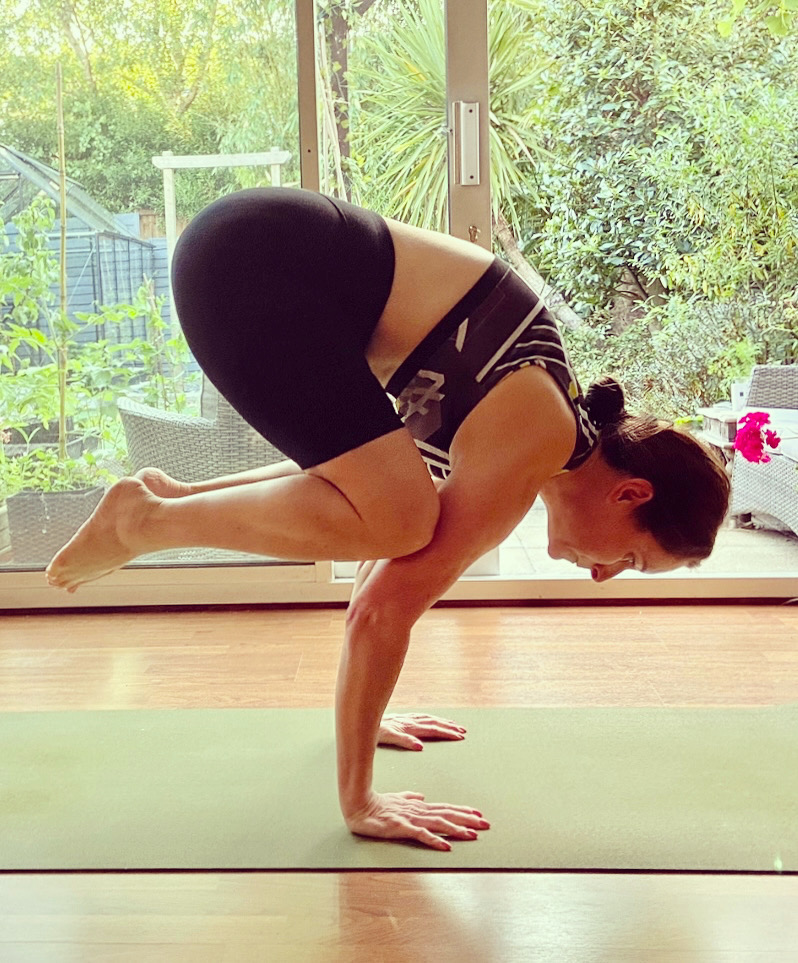
When I first practiced Crow, I use to lift my bottom high in the air. This is often experienced by those who have reasonable upper body strength.It results in them attempting to do a Crow combined with a Handstand which is difficult to sustain!
The way to combat this is to squeeze your deep abdominal muscles towards your spine. This should help to tilt your tailbone downwards and then lower it, creating more stability and enabling the pose to be held longer.
It’s worth noting that when the knees are placed higher up the arms the bottom may need to stay higher due to flexibility and other anatomical reasons. You can see in the version below, my knees are placed lower, my elbows are slightly more bent and my bottom is lower.
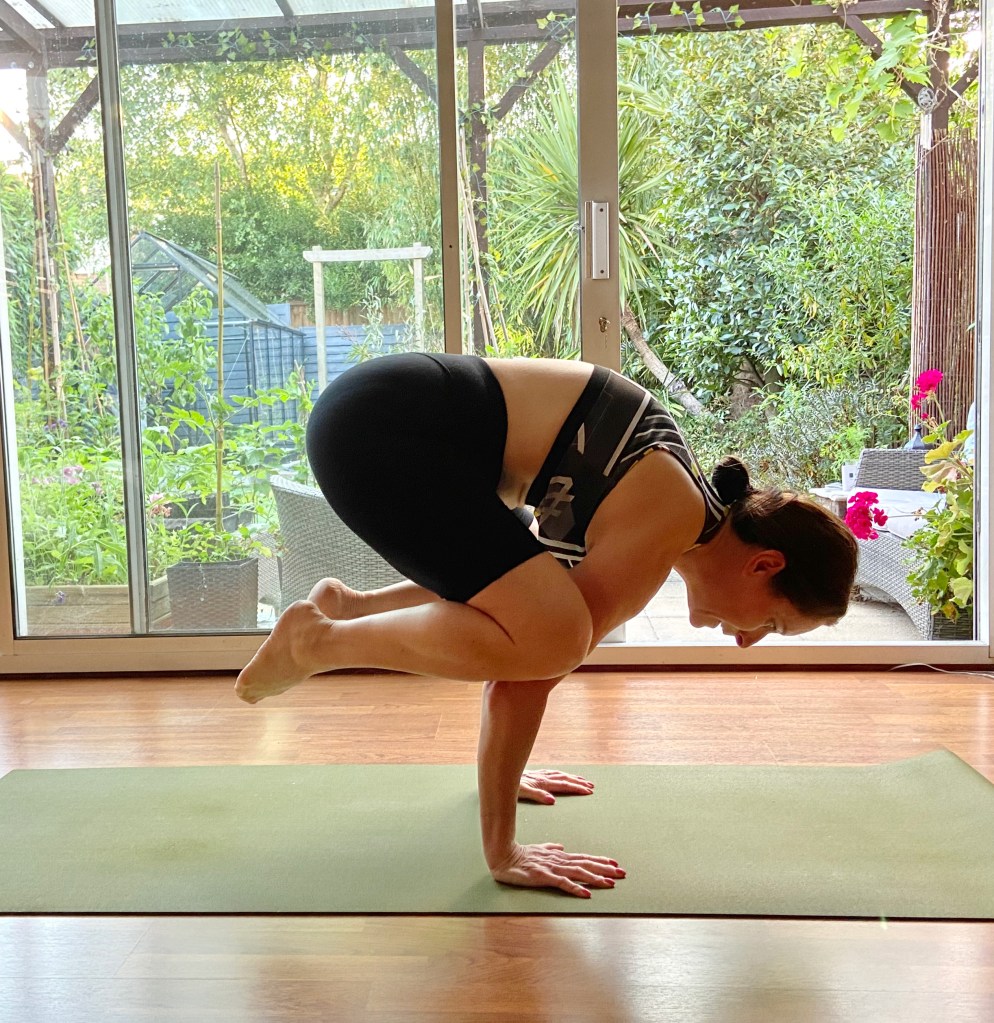
You may be asked to look forwards in Crow pose – however if your bottom is slightly higher up or if you have neck issues that may not be possible. I’m looking down in these images, as that is the position I need to be in to balance. I would instead think about moving the upper body forwards and lifting your body upwards. It’s as if you’re taking flight off of a branch!
This is all fine if you can lift your feet off the floor – but what is available if you can’t, or if you’re unable to balance on your hands? Here are some alternatives for you to try.
Please remember to consult a healthcare professional before starting any new form of exercise or if you have any pre-existing condition or injury.
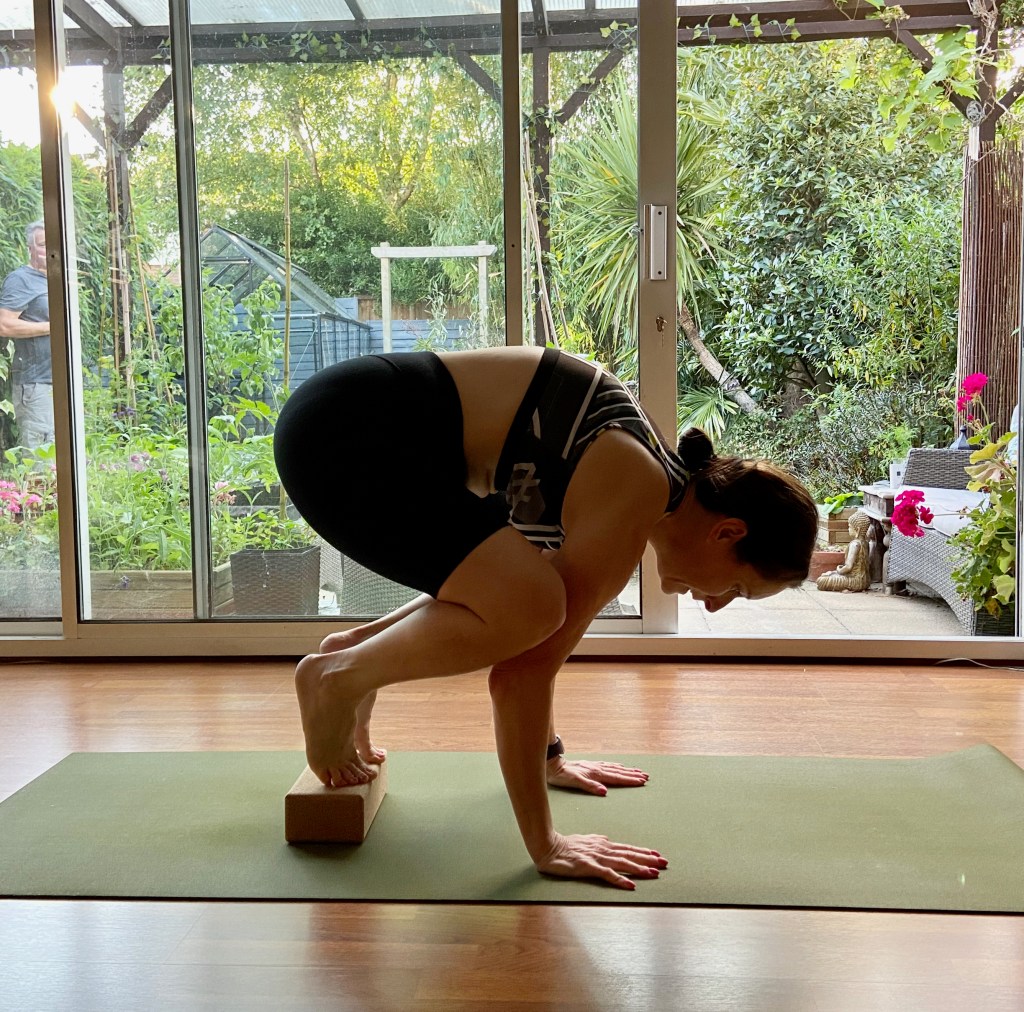
Putting your feet on a block can allow you to experiment with your pivot point and balance. When your feet are on the block, try shifting your weight forwards slightly and see if your feet are still pressing into the block. You may be able to try lifting each foot in turn. Don’t worry if you’re still reliant on the support of your feet or foot on the block. This is helping to build strength in your arms and shoulders!
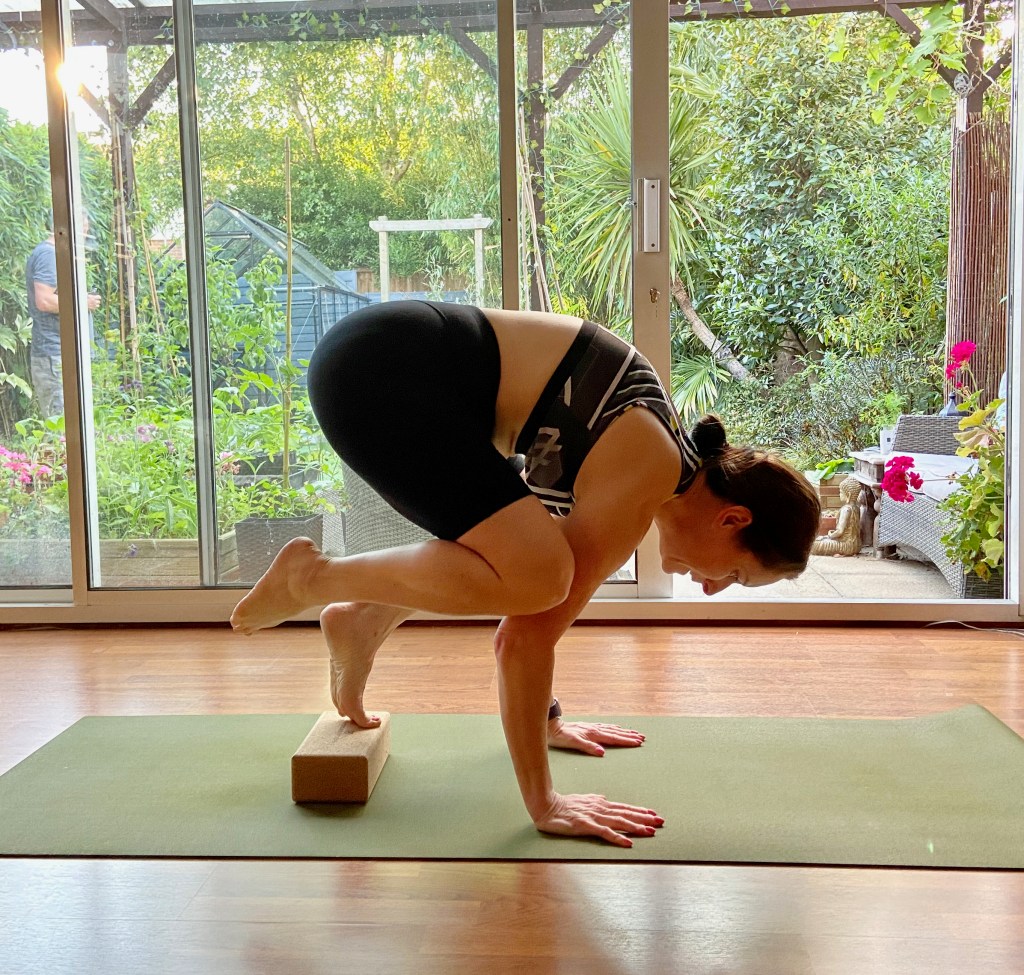
Try lowering the position of your knees. Yoga is fantastic for experimentation and self-learning so try moving your knees to the outside of your elbows. Squeeze the inner knees into the outsides of the elbows and push into the inner knees with the elbows. This creates a nice stable frame to support the rest of your body. It’s lower down and so less intimidating than other versions. It’s also easier to left your feet off the floor as they don’t need to move up so far.

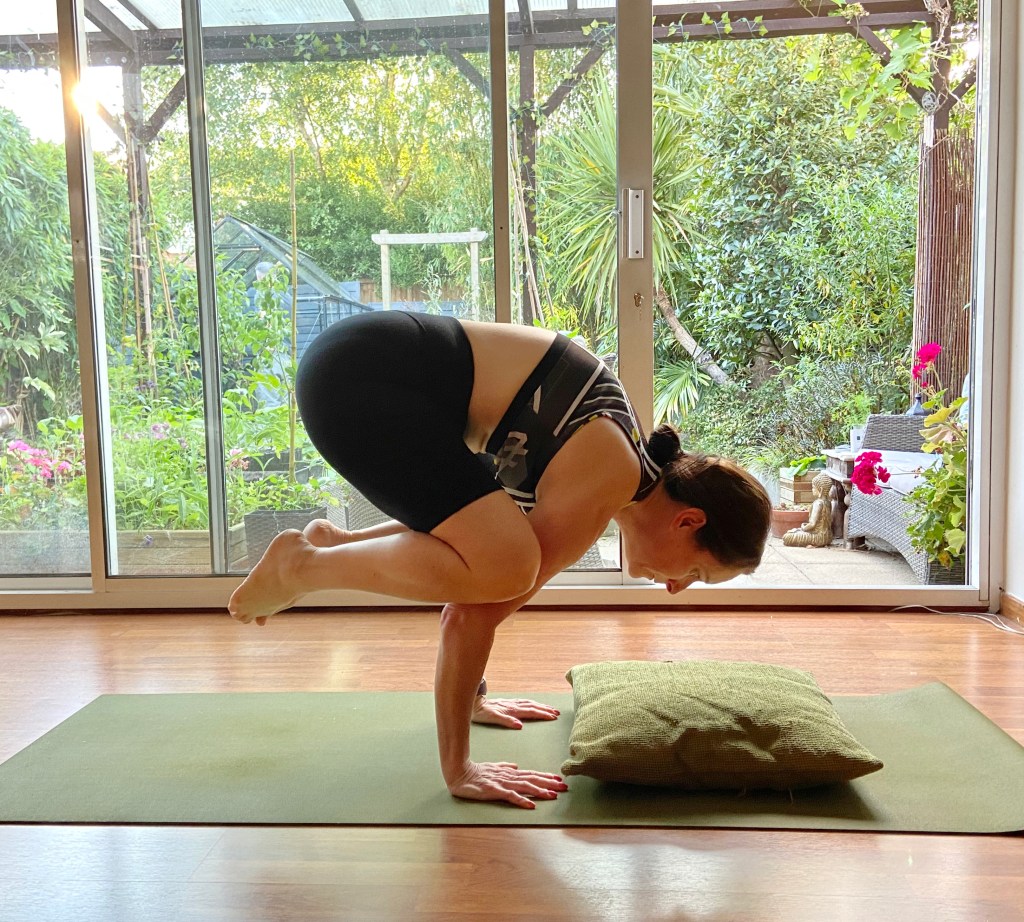
If confidence is an issue and you’re worried about face-planting, a cushion can help by providing a soft landing. If you find you are always tipping forwards you could try lifting your head and tucking your tailbone down – that will decrease weight at the front.
If you don’t want to practice hand balances due to hand, wrist, arm or shoulder issues, you can still practice Crow pose! Seated Crow and Reclining Crow are good for building up the core abdominal muscles. Make sure you’re resisting the arms against the knees and drawing the big toes together to get the full experience!
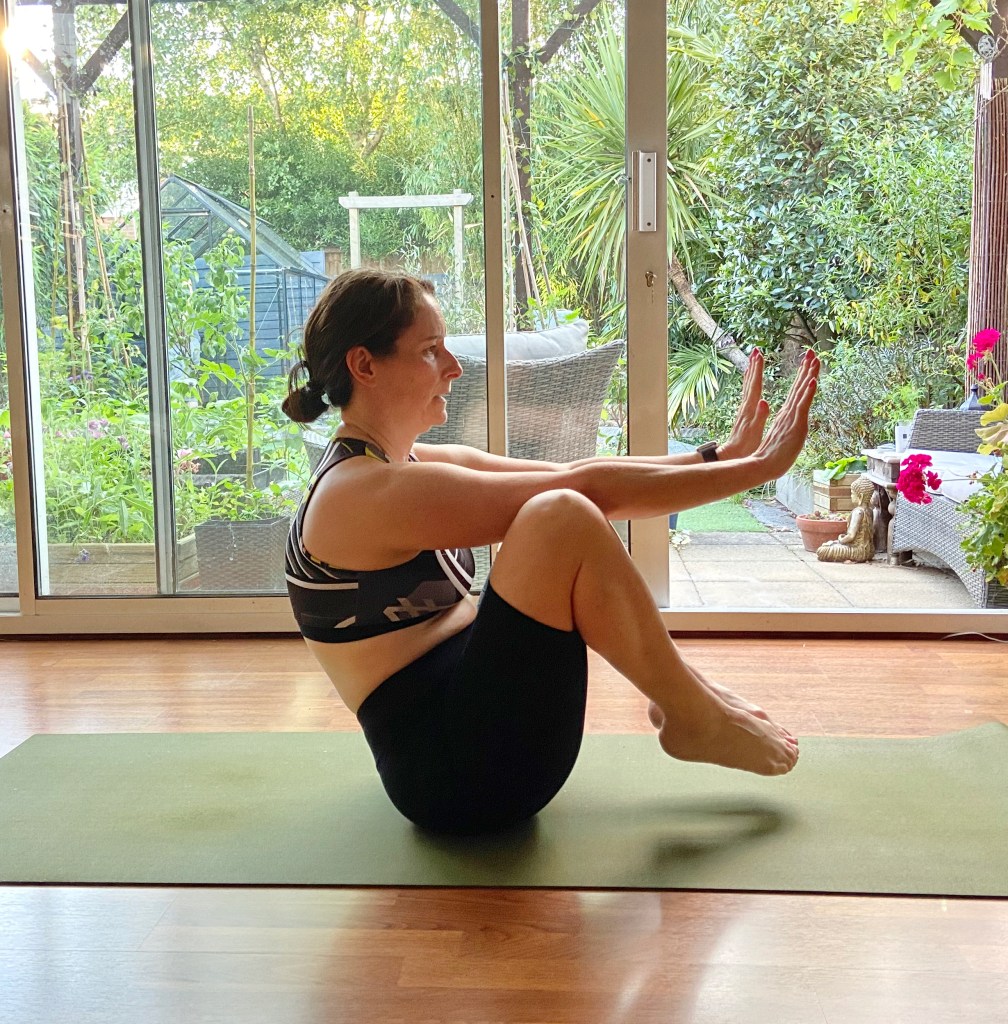
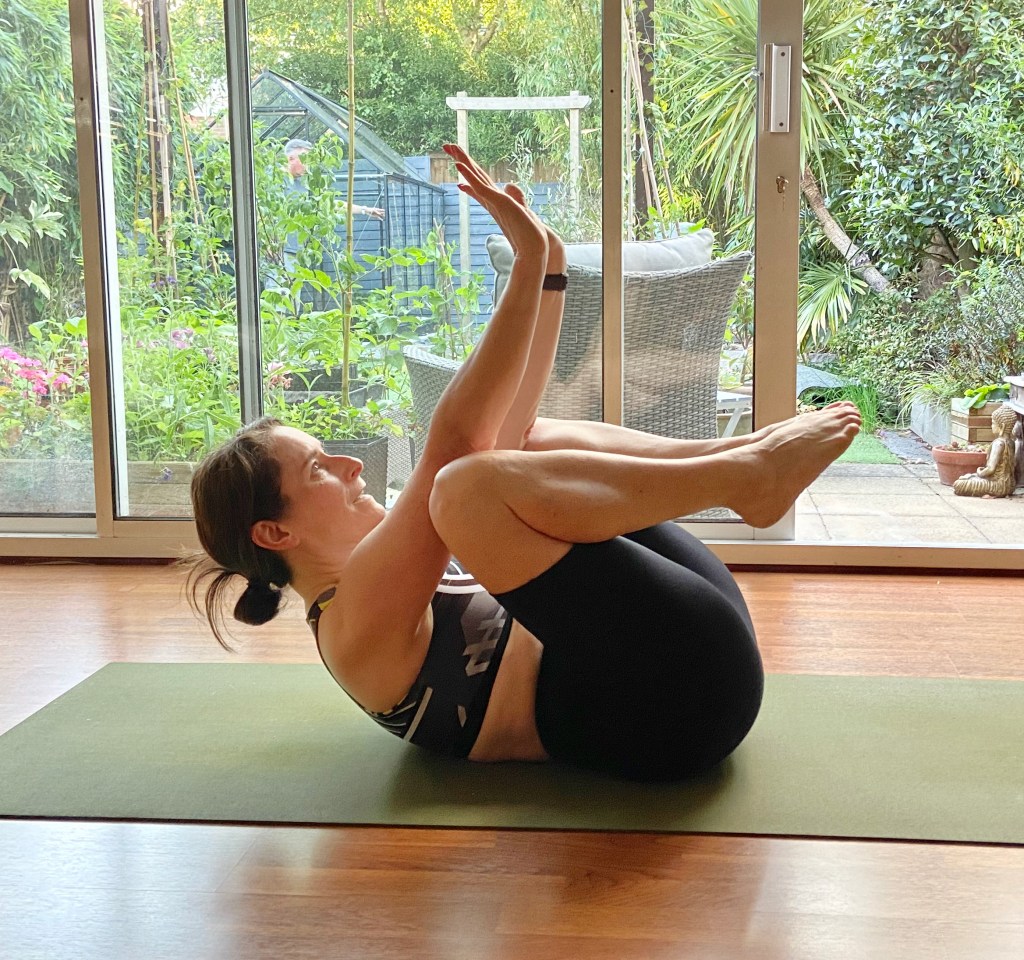
If you’re unable to get onto the floor, you can try Chair Crow. Placing the feet on a block allows the knees to lift onto the upper arms. Again, making sure you’re using your arms, knees and core abdominals here will mean you’re experiencing the pose fully.

There are many other variations of Bakasana that I haven’t had time to run through here. These include Baby Crow (on the forearms), Flying Crow or One-Legged Crow (one leg behind in the air) and Funky Flying Crow (a combination of both of these). Side Crow (Parsva Bakasana) is another similar pose which incorporates a twist – I’ll share my tips on this another time!
Hopefully there is a version of Bakasana here that works for you. Remember that we all have unique bodies and so your Crow pose will be your own, unique version!

 Power Yoga and Yin Yoga | Yoga in Hertford Hertfordshire | Jasmine Yoga UK
Thanks Claire xxxx
Sent from my iPhone
LikeLike