
In today’s society we like to feel busy – if we are busy we must be valued and will therefore feel more satisfied. FOMO (Fear Of Missing Out) only escalates this feeling, driving us to strive to get involved with everything possible! Now to make it even worse, we are worrying about all the things we can’t be busily doing.
Our minds are not designed to cope with this constant onslaught of information. We need to have time to reflect and cultivate stillness in order to be at our best. So how can we do this?
Mindfulness practices
We ofter hear about meditation, visualisation and relaxation referred to as mindfulness practices. So what is the difference between these? What should we be doing?
Meditation
- Involves constant focus on an object for a prolonged time
- Starts with concentration – focusing the mind on the object (related to the goal for meditation)
- Eventually the focus is steady and the mind is not distracted by any other thoughts
- Concentration is now meditation
Relaxation
- Affects mind, emotions, autonomic systems and muscular skeletal body
- Achieved by keeping mental focus inwards and focussed – using an object or visualisation
- Falling asleep is not relaxation – being awake and still makes motor neurons inactive, helping muscles relax
- Don’t overdo it – best practiced in balance with movement activities (e.g. Asana)
Visualisation
- Creating a mental image of something
- Can help to create focus for a busy mind
- Usually used with relaxation practices
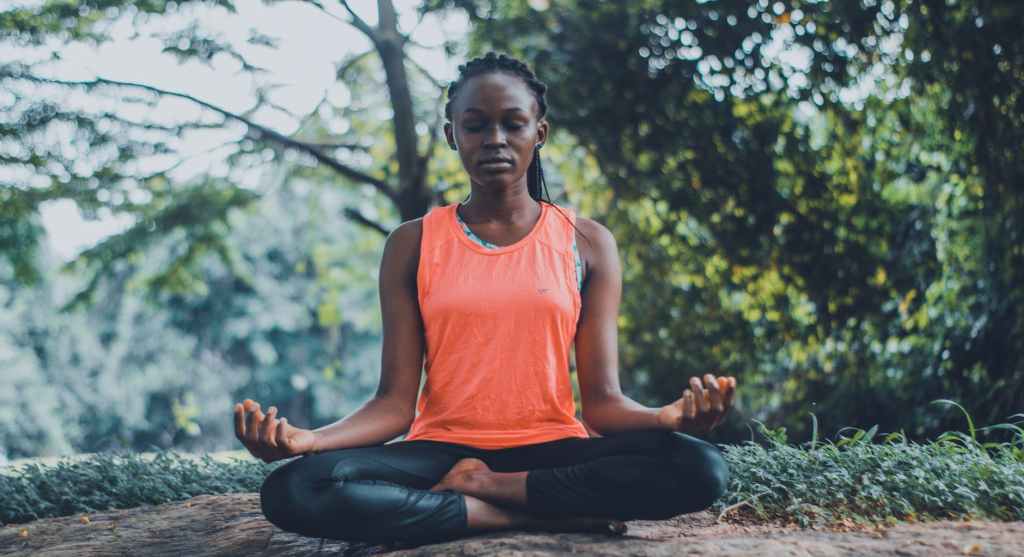
Finding peace in mindfulness practices
If you have trouble keeping still, getting tangled up in thoughts or just getting started, you are not alone! Most of us have trouble starting a mindfulness practice and even more trouble keeping it going! You need to find the practice that is right for you.
In my next blog, I’ll be exploring how to get started with your mindfulness practice! In the meantime find out why breathing is so important in Yoga.

 Power Yoga and Yin Yoga | Yoga in Hertford Hertfordshire | Jasmine Yoga UK
I appreciate learning about different types of mindful practices.
LikeLike