
Don’t worry – I can’t either!
The images of yoga we are presented with in the media and online would lead most of us to believe that you have to be hypermobile (sometimes called double-jointed) or even a contortionist to practice yoga today.
This depiction of “perfect” yoga bodies doing “perfect” yoga poses has had a negative effect on the perception of yoga by non-practitioners. I know many people who will go to Pilates classes but say they are not able to do yoga due to their lack of flexibility.
From TV adverts for sanitary products showing acrobats performing representations of yoga poses, to the covers of yoga publications and of course the endless stream of pictures on Instagram – this depiction of what yoga should be is everywhere.
Not only do you not have to be bendy to do yoga, but those who are the least flexible often have the most to gain when starting their yoga practice
But what about those of us who are not dancers or acrobats, who came to yoga later in life, who have injuries or are just not flexible? Here is the good news – not only do you not have to be bendy to do yoga, but those who are the least flexible often have the most to gain when starting their yoga practice. There are even scientific studies citing the benefits of yoga for arthritis1, scoliosis2 and chronic back pain3 – all conditions where lack of flexibility can be an issue.
What is yoga anyway?
Forget any pre-conceptions you have about what yoga is or what it looks like. The physical practice of yoga poses or Asana is only one part of the Eight Limbs of Yoga. The majority of yoga practice is not focussed on achieving physical perfection but on union of the mind, body and spirit (or breath). When practicing physical yoga poses, you can use a variety of props including blocks, belts, bolsters, blankets, walls and chairs. Poses can also be modified to take into account different abilities, body types, injuries and preferences.
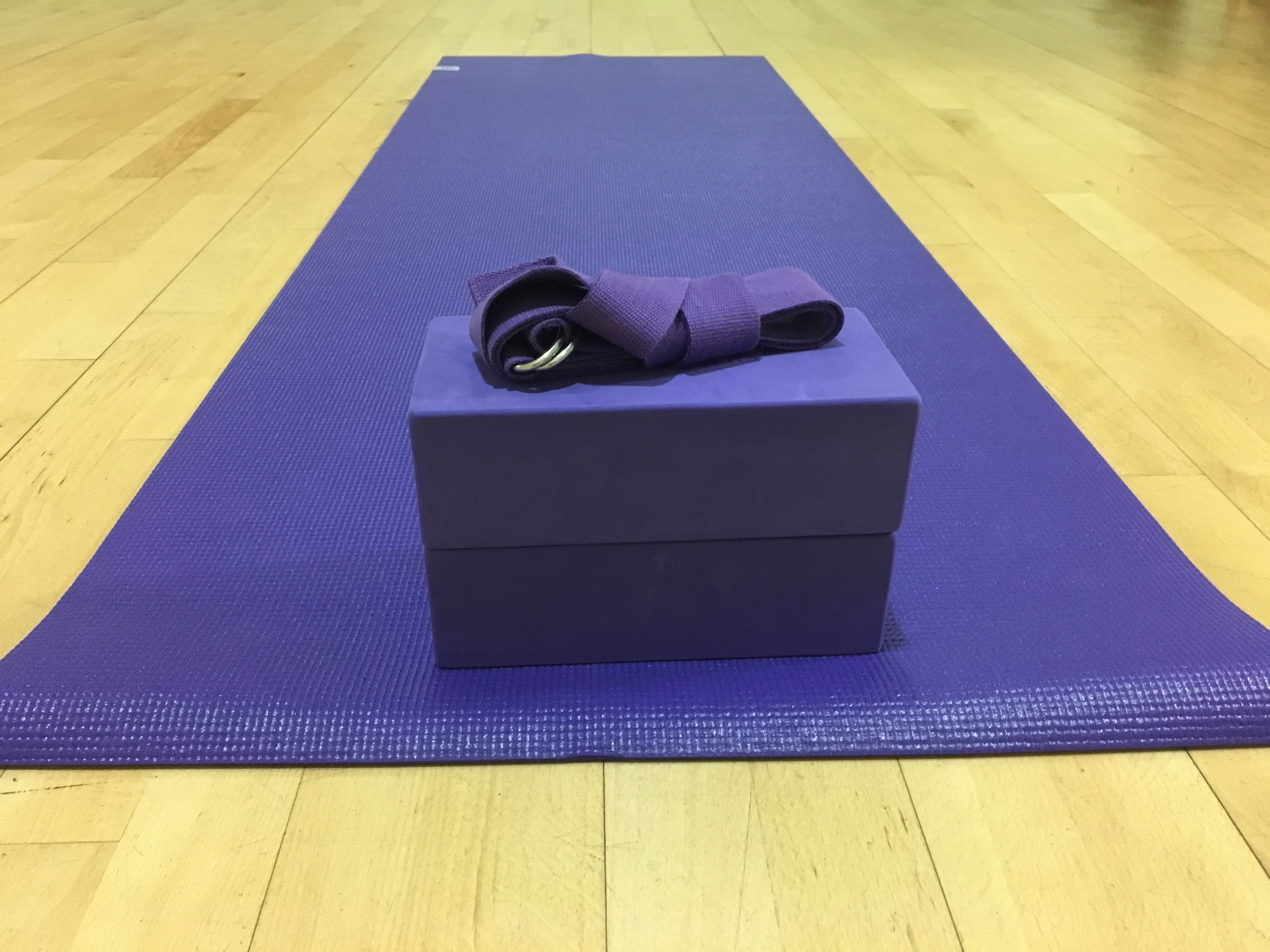
My yoga body
I started my yoga journey at the age of 32 and I know many people who have started yoga in much older bodies. I had spent many years using weights in the gym and although I was strong, my flexibility was not particularly good. In fact I still find many things incredibly difficult.
- Tight hips and feet make Lotus pose (Padmasana) an impossibility
- Short arms make binding very difficult
- Backbends make me want to cry sometimes
- Supported headstand (Salamba Sirsanana) is my Nemesis
It would have been very easy to give up as I was way outside of my exercise comfort zone! As I was to learn, this is a benefit of Asana. To find your edge of comfort and be comfortable with it, to let go of ego and allow the mind to become comfortable with stress.
Gradually I started to celebrate the things I could do.
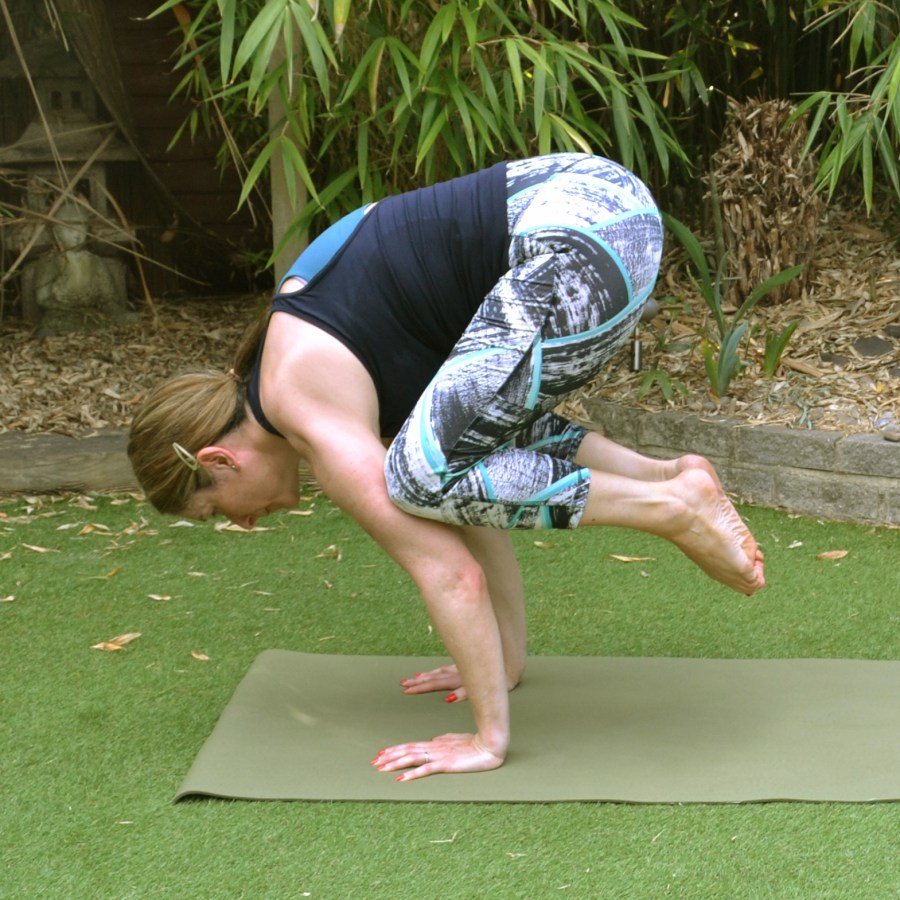
- My hips rotate inwards – great for Eagle pose (Garudasana)
- I have strong arms and shoulders – perfect for Crow pose (Bakasana)
- I have short legs – helpful when trying to catch hold of my big toe
- Forward bends comfort me
- I find steadiness when balancing on one leg
This gave me confidence and I started to embrace my challenging areas. Using modified poses and props I can now do many things I would never have believed possible!
- Cow face pose (Gomukhasana) with a belt
- Firefly pose (Tittibhasana) using blocks
- Camel pose (Ustrasana) using blocks
- Headless headstand using a FeetUp trainer
Have I achieved perfection? No. My body is still my body. I still have relatively tight hips, my arms haven’t grown any longer and backbends make me upset sometimes. Am I ok with that? Yes. I am more resilient, I am confident in my body and its movements and my mind is able to focus and be creative.
For those who are unsure – give it a go! It is testament to the power of yoga that there is always something new to learn and try – exercising mind, body and spirit.
And there is definitely no such thing as not being flexible enough!
References
- Gautam S, Tolahunase M, Kumar, U, Dada R. Impact of yoga based mind-body intervention on systemic inflammatory markers and co-morbid depression in active Rheumatoid arthritis patients: A randomized controlled trial. Restorative Neurology and Neuroscience. 2019;37:41-59.
- Fishman L, Groessl E, Sherman K. Serial Case Reporting Yoga for Idiopathic and Degenerative Scoliosis. Glob Adv Health Med. September 2014;3(5):16–21.
- Groessl E, Liu L, Chang D, Wetherell J, Bormann mJ, Atkinson J, Baxi S, Schmalzl L. Yoga for Military Veterans with Chronic Low Back Pain: A Randomized Clinical Trial. American Journal of Preventive Medicine. November 2017;53:599–608.

 Power Yoga and Yin Yoga | Yoga in Hertford Hertfordshire | Jasmine Yoga UK